
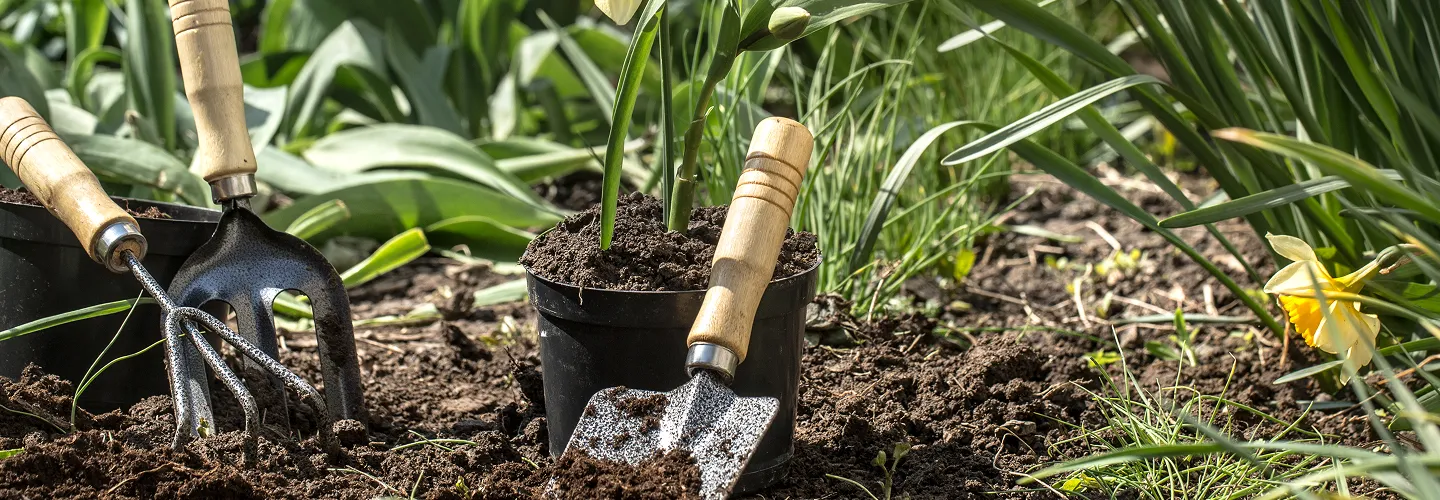
Hopkinton Leaf Removal Services
Choose our leaf removal service for prompt, thorough cleanup that keeps your yard healthy, beautiful, and ready for every season—saving you time and hassle.
Get a Free QuoteOur Hopkinton Landscaping & Yard Care Services
When to Schedule Leaf Removal in Hopkinton, Rhode Island – Seasonal Guide
In Hopkinton, Rhode Island, the best time for leaf removal typically falls between late October and early December. The region’s climate, with its cool autumns and early frosts, means that most deciduous trees—especially those in neighborhoods like Ashaway and near Crandall Field—shed their leaves rapidly after the first hard frost. Scheduling leaf removal just after peak leaf drop helps prevent leaves from matting down and suffocating your lawn, which is especially important in areas with dense shade or clay-heavy soils common in Hopkinton.
Local environmental factors play a significant role in determining the optimal timing. For example, properties near the Wood River or shaded by mature oaks and maples may experience prolonged leaf fall and higher humidity, increasing the risk of mold and turf disease if leaves are left too long. Additionally, municipal guidelines and seasonal drought advisories—often posted on the Town of Sudbury’s website—can influence when and how leaf removal should be performed.
Local Factors to Consider for Leaf Removal in Hopkinton
- Tree density and species (oaks, maples, and beeches drop leaves at different times)
- Proximity to water bodies like the Wood River (increased humidity and leaf accumulation)
- Soil type (clay soils retain moisture, increasing risk of turf damage)
- Shade coverage (slower leaf decomposition in shaded yards)
- Terrain and slope (leaves collect in low-lying areas)
- Precipitation patterns and frost dates
- Municipal restrictions or collection schedules
Benefits of Leaf Removal in Hopkinton

Enhanced Curb Appeal
Healthier Lawns
Prevents Lawn Disease
Saves Time and Effort
Professional Equipment
Reliable Local Service
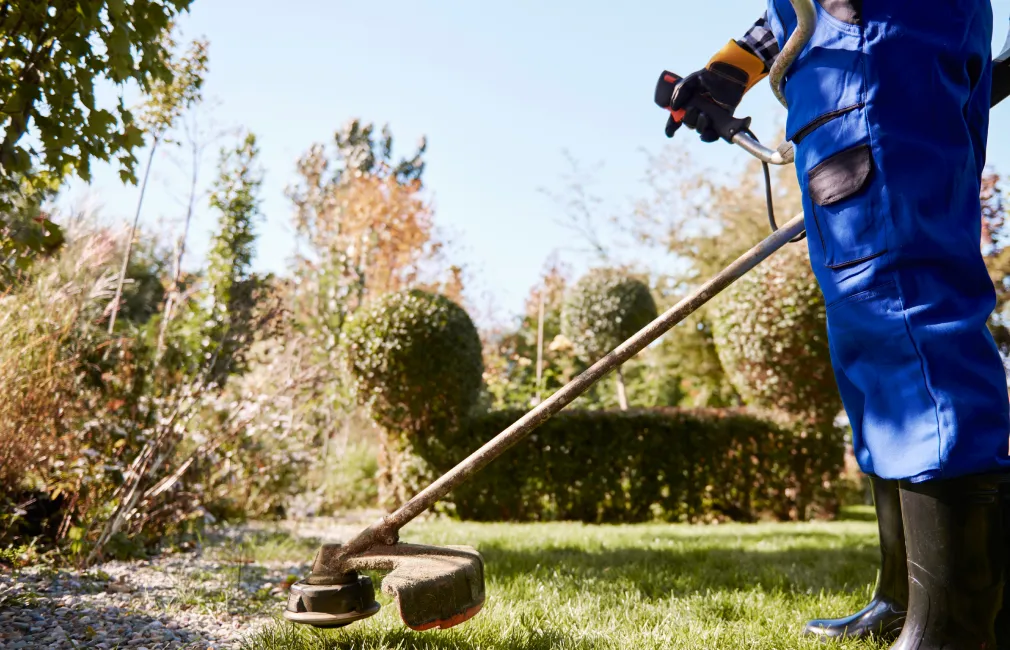
Hopkinton Leaf Removal Types

Curbside Leaf Pickup
-
On-Site Leaf Mulching
-
Full Property Leaf Cleanup
-
Leaf Vacuuming Services
-
Bagged Leaf Collection
-
Seasonal Leaf Maintenance
-
Gutter Leaf Clearing
Our Leaf Removal Process
Site Evaluation
Debris Gathering
Leaf Collection
Final Cleanup
Why Choose Hopkinton Landscape Services

-
Hopkinton Homeowners Trust Us
-
Expert Lawn Maintenance
-
Reliable Seasonal Cleanups
-
Competitive Pricing
-
Professional Team
-
Satisfaction Guarantee
-
Personalized Service
Hopkinton’s Leaf Collection Schedule, Container Rules, and Municipal Coordination
Leaf removal in Hopkinton is governed by specific municipal procedures to ensure orderly collection and environmental compliance. The Department of Public Works oversees weekly curbside leaf collection every Thursday from April through November. Residents must use biodegradable paper bags or rigid, reusable bins (32-gallon maximum) for leaves; plastic bags are strictly prohibited. Brush and branches under 4 feet in length and 4 inches in diameter are accepted, but larger debris requires special arrangement. Collection is suspended on major holidays, and all materials must be placed curbside by 7:00 AM on collection day. For questions about collection schedules or disposal requirements:
Hopkinton RI Department of Public Works
1 Town House Road, Hopkinton, RI 02833
Phone: (401) 377-7780
Official Website: Hopkinton RI Department of Public Works
Failure to comply with these guidelines may result in non-collection or municipal fines. Refer to Hopkinton RI Town Ordinances for full regulatory details.
Soil Series, Drainage, and Site Considerations for Leaf Removal in Hopkinton
Hopkinton’s landscape is characterized by Inceptisols and Udults, with prevalent glacial till soils such as the Charlton-Chatfield and Ridgebury series. These soils are moderately acidic (pH 5.5-6.5) and often poorly drained, especially in low-lying or wooded areas. Leaf accumulation can exacerbate drainage issues, leading to anaerobic soil conditions and turf decline. For optimal site management:
- Remove leaves weekly during peak fall drop (late October to mid-November)
- Avoid piling leaves in wetland buffer zones (minimum 25-foot setback required)
- Incorporate 2-3 inches of compost into compacted soils to improve structure
- Conduct soil testing through University of Rhode Island Cooperative Extension (typical cost: $15-25)
Research local soil characteristics using the USDA Web Soil Survey to tailor removal and amendment practices to your property’s needs.
Environmental Compliance: Wetland Buffers, Stormwater, and State Regulations in Hopkinton
Leaf removal activities in Hopkinton must comply with both local and state environmental regulations to protect sensitive areas and water quality. Properties adjacent to wetlands, streams, or conservation lands must maintain a 25-foot no-disturbance buffer, as enforced by the Conservation Commission. The Rhode Island Environmental Rights Act and the Clean Water Act prohibit dumping leaves or yard waste in storm drains or water bodies. Hopkinton operates under an MS4 permit, requiring:
- No leaves or debris in stormwater inlets
- Strict adherence to buffer zones
- Immediate cleanup of accidental spills
For guidance on buffer requirements and environmental compliance:
Hopkinton RI Conservation Commission
1 Town House Road, Hopkinton, RI 02833
Phone: (401) 377-7780
Official Website: Hopkinton RI Conservation Commission
Statewide stormwater and environmental oversight is provided by the Rhode Island Department of Environmental Management.
Equipment Operation Hours, Safety Protocols, and Noise Ordinances for Leaf Removal in Hopkinton
Hopkinton enforces municipal noise ordinances and safety standards for all yard maintenance activities, including leaf removal. Equipment operation is permitted only during the following hours:
- Monday-Friday: 7:00 AM - 7:00 PM
- Saturday: 8:00 AM - 6:00 PM
- Sunday and holidays: Prohibited
Operators must use commercial-grade equipment with functioning mufflers, and noise levels should not exceed 85 decibels at property lines. All personnel are required to wear:
- ANSI Z87.1 safety glasses
- Hearing protection (earmuffs or plugs for 85+ dB)
- Steel-toed, non-slip boots
- High-visibility vests when working near roadways
For questions about local ordinances or safety requirements:
Hopkinton RI Building & Zoning Department
1 Town House Road, Hopkinton, RI 02833
Phone: (401) 377-7770
Official Website: Hopkinton RI Building & Zoning Department
Refer to Hopkinton RI Town Ordinances for full details on noise and equipment regulations.
Seasonal Timing and Weather Considerations for Leaf Removal in Hopkinton’s Climate Zone
Hopkinton is located in USDA Hardiness Zone 6b, with average first frost occurring in late October. Peak leaf drop typically spans from October 15 to November 20, with weather patterns monitored by the National Weather Service. For effective leaf removal:
- Begin weekly removal by October 15
- Complete final cleanup before first snowfall (usually late November)
- Avoid removal during heavy rain to prevent soil compaction
- Monitor local forecasts for wind events that may redistribute leaves
For up-to-date weather alerts and timing guidance, consult the National Weather Service Boston/Norton Office. Timely removal prevents turf smothering and supports compliance with municipal collection schedules.
What Neighborhoods Do We Serve Throughout Hopkinton, RI?
- Ashaway: Features mature tree canopies and older homes with compacted glacial till soils, requiring frequent leaf removal and careful attention to drainage.
- Hope Valley: Contains a mix of residential and commercial properties, with moderate slopes and proximity to the Wood River, necessitating strict buffer compliance.
- Rockville: Characterized by forested lots and seasonal wet areas, where leaf accumulation can quickly lead to drainage and runoff issues.
- Centerville: Includes newer developments with improved drainage but smaller lot sizes, making container compliance and curbside access essential.
- Chase Hill: Located near conservation lands, this area has sensitive habitats and requires adherence to wetland buffer regulations during removal activities.
- Canonchet: Rural properties with large wooded lots and limited street access, presenting challenges for collection logistics and equipment maneuvering.
- Woodville: Features a mix of open fields and wooded parcels, with variable soil drainage and a need for regular monitoring of collection schedules and environmental compliance.