
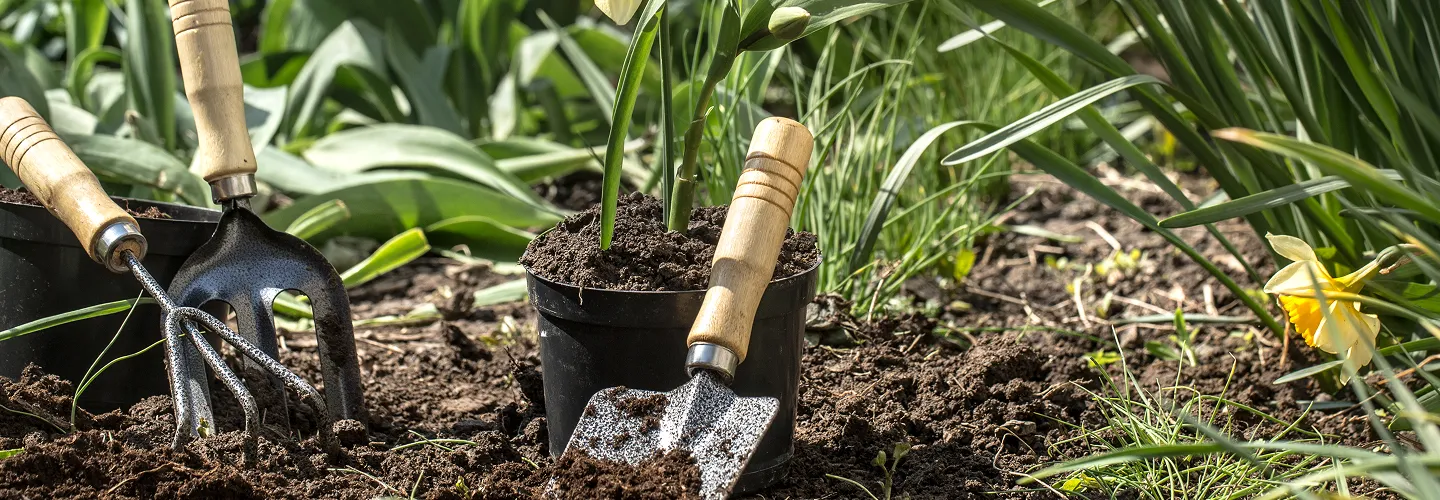
Hopkinton Sod Installation Services
Choose our expert sod installation for a hassle-free, vibrant lawn that boosts your home's curb appeal and value—installed quickly and professionally by a trusted local team.
Get a Free QuoteOur Hopkinton Landscaping & Yard Care Services
When to Schedule Sod Installation in Hopkinton, Rhode Island – Seasonal Guide
In Hopkinton, Rhode Island, the best time to schedule sod installation is typically during the early spring or early fall. These seasons offer moderate temperatures and consistent rainfall, which are ideal for establishing new sod. The local climate, with its humid summers and cold winters, means that installing sod during the heat of July or the chill of late November can lead to poor root development and increased maintenance. Neighborhoods near Crandall Field or along Main Street often experience microclimates due to varying shade coverage and proximity to the Wood River, so timing can be especially important in these areas.
Local environmental factors such as the last frost date—usually in late April—and the risk of summer droughts should be considered when planning your project. Soil types in Hopkinton range from sandy loam to clay, affecting drainage and sod selection. Homeowners in areas like Ashaway or near the Hopkinton Land Trust properties may also need to account for tree density and municipal watering restrictions. For more detailed local guidelines, you can consult the Town of Sudbury’s resources for regional landscaping best practices.
Local Factors to Consider for Sod Installation in Hopkinton
- Tree density and shade coverage, especially in wooded neighborhoods
- Terrain and slope, which impact water runoff and sod stability
- Average precipitation and risk of drought during summer months
- Soil type and drainage characteristics unique to your property
- Municipal watering restrictions or guidelines
- Proximity to rivers, wetlands, or conservation areas
Benefits of Sod Installation in Hopkinton
Instant Green Lawn
Erosion Control
Weed Reduction
Professional Installation
Enhanced Curb Appeal
Locally Sourced Sod
Hopkinton Sod Installation Types

Residential Sod Installation
-
Commercial Sod Installation
-
Sports Field Sod Installation
-
Golf Course Sod Installation
-
Pet-Friendly Sod Installation
-
Drought-Resistant Sod Installation
-
Shade-Tolerant Sod Installation
Our Sod Installation Process
Site Preparation
Soil Grading
Sod Delivery
Sod Laying
Watering and Rolling
Why Choose Hopkinton Landscape Services
-
Hopkinton Homeowners Trust Us
-
Expert Lawn Maintenance
-
Reliable Seasonal Cleanups
-
Competitive Pricing
-
Professional Team
-
Satisfaction Guarantee
-
Personalized Service
Soil Preparation and Sod Installation Challenges in Hopkinton’s Glacial Till
Sod installation in Hopkinton requires careful consideration of the town’s predominant glacial till soils, which are classified as Inceptisols and Udults according to the USDA Web Soil Survey. These soils are often rocky, moderately acidic (pH 5.5-6.5), and can be poorly drained, especially in low-lying areas. Proper site preparation includes removing stones larger than 2 inches, tilling to a depth of 4-6 inches, and incorporating 2-3 inches of compost to improve organic matter. Soil testing is recommended through the University of Rhode Island Cooperative Extension (typical cost: $15-25) to determine lime or sulfur needs for pH adjustment. For areas with persistent drainage issues, installing subsurface drains or amending with sand may be necessary. Sod should be laid perpendicular to slopes to reduce erosion risk. Compliance with local buffer requirements is essential when working near wetlands or protected areas.
Municipal Coordination for Sod Installation: Permits, Hours, and Disposal in Hopkinton
Sod installation projects in Hopkinton must adhere to municipal ordinances regarding equipment operation, debris disposal, and permit requirements. Equipment operation is typically permitted during the following hours:
- Monday-Friday: 7:00 AM - 7:00 PM
- Saturday: 8:00 AM - 6:00 PM
- Sunday and holidays: Prohibited All construction debris, including old turf and soil, must be disposed of according to town guidelines. Yard waste collection occurs weekly on Thursdays from April through November, with materials placed in biodegradable bags or 32-gallon containers (plastic bags and branches over 4 inches in diameter are prohibited). For projects involving significant grading or work within 50 feet of wetlands, a permit from the Building & Zoning Department is required (application fee: $50; review time: 10 business days).
Hopkinton RI Department of Public Works
1 Town House Road, Hopkinton, RI 02833
Phone: (401) 377-7780
Official Website: Hopkinton RI Department of Public Works
Environmental Compliance: Wetland Buffers and Stormwater Management in Hopkinton
Sod installation near Hopkinton’s wetlands, streams, and conservation areas is regulated to protect sensitive ecosystems. A 25-foot no-disturbance buffer is required from all designated wetlands, and a 50-foot setback applies for fertilizer or pesticide application. The town’s MS4 permit, administered under the Clean Water Act, prohibits sod clippings and soil from entering storm drains. Erosion control measures, such as silt fencing and straw wattles, must be installed on slopes exceeding 5%. The Rhode Island Environmental Rights Act and Rhode Island Department of Environmental Management require compliance with state stormwater and wetland protection standards. For properties adjacent to conservation lands, coordinate with the Conservation Commission for additional restrictions.
Hopkinton RI Conservation Commission
1 Town House Road, Hopkinton, RI 02833
Phone: (401) 377-7780
Official Website: Hopkinton RI Conservation Commission
Optimal Sod Installation Timing for Hopkinton’s Climate Zone 6b
Hopkinton is located in USDA Hardiness Zone 6b, with average annual minimum temperatures of -5°F to 0°F. The ideal window for sod installation is April 15 to June 10 in spring, and August 20 to September 30 in late summer, when soil temperatures are between 55°F and 65°F. Avoid installation during July and early August due to heat stress and increased irrigation demands. Monitor local weather forecasts through the National Weather Service - Boston/Norton Office to avoid periods of heavy rainfall, which can impede root establishment. For cool-season grasses such as Kentucky bluegrass (Poa pratensis) and perennial ryegrass (Lolium perenne), maintain consistent moisture for the first 2-3 weeks post-installation. Fertilize with 0.5-1.0 lbs nitrogen per 1,000 sq ft at the time of installation, following soil test recommendations.
Professional Standards and Safety Protocols for Sod Installation in Hopkinton
All sod installation work in Hopkinton must comply with municipal safety and equipment standards. Operators are required to use commercial-grade sod cutters and compactors, with blade sharpening every 20-25 hours of use. Personal protective equipment (PPE) is mandatory, including:
- Eye protection: ANSI Z87.1 safety glasses
- Hearing protection: Earmuffs or plugs for 85+ dB noise
- Footwear: Steel-toed boots with non-slip soles
- Gloves: Cut-resistant for handling sod and tools Maintain a 15-foot clearance from overhead power lines and mark all underground utilities before excavation (contact Dig Safe at 811 at least 72 hours in advance). For projects near public roads, set up advance warning signs 500 feet from the work zone and use safety cones to delineate equipment areas. The Hopkinton RI Building & Zoning Department provides guidance on compliance with local construction and safety codes.
Hopkinton RI Building & Zoning Department
1 Town House Road, Hopkinton, RI 02833
Phone: (401) 377-7770
Official Website: Hopkinton RI Building & Zoning Department
What Neighborhoods Do We Serve Throughout Hopkinton, RI?
- Ashaway: Features a mix of historic homes and newer developments, with soils ranging from rocky glacial till to poorly drained lowlands. Sod installation here often requires additional soil amendment and drainage solutions.
- Hope Valley: Characterized by moderate slopes and proximity to the Wood River, this area demands strict adherence to wetland buffer regulations and erosion control measures during sod installation.
- Rockville: Known for its forested lots and higher elevation, Rockville presents challenges with shallow, stony soils and increased shade, necessitating shade-tolerant sod varieties and careful grading.
- Centerville: Contains larger lots with variable drainage and occasional seasonal flooding, requiring site-specific soil testing and the use of subsurface drains for successful sod establishment.
- Canonchet: Located near conservation lands and protected habitats, Canonchet properties must comply with enhanced environmental restrictions and often require coordination with the Conservation Commission.
- Chase Hill: Features newer subdivisions with compacted fill soils, making soil aeration and organic matter incorporation critical steps before sod installation.
- Laurel Hill: Includes properties adjacent to wetlands and streams, where strict buffer enforcement and stormwater management practices are essential for regulatory compliance.