
Hopkinton Hedging Services
Choose our expert hedging services for precise, healthy, and attractive borders that enhance privacy, boost curb appeal, and add lasting value to your property.
Get a Free QuoteOur Hopkinton Landscaping & Yard Care Services
When to Schedule Hedging in Hopkinton, Rhode Island – Seasonal Guide
In Hopkinton, Rhode Island, the best times to schedule hedging are typically late spring and early fall. These periods align with the region’s moderate temperatures and reduced risk of frost, which is especially important for maintaining healthy, vibrant hedges. The local climate, influenced by proximity to the Wood River and shaded neighborhoods like Ashaway, means that humidity and soil moisture can vary significantly from one property to another. It’s important to avoid hedging during the peak summer months, when drought risk is higher and plants may be stressed, as well as in late fall, when early frosts can damage freshly cut growth.
Local environmental factors such as the sandy soils near Crandall Field, the dense tree coverage in the Rockville area, and municipal guidelines—often updated on the Town of Hopkinton’s website—all play a role in determining the optimal hedging schedule. Homeowners should also consider the unique microclimates created by shade from mature oaks and maples, as well as the impact of seasonal precipitation patterns on plant health.
Local Factors to Consider for Hedging in Hopkinton
- Tree density and shade coverage in your neighborhood
- Soil type (sandy, loamy, or clay) and drainage
- Average precipitation and drought risk during summer
- Frost dates and risk of early or late cold snaps
- Terrain and accessibility for equipment
- Municipal restrictions or guidelines on landscaping activities
- Proximity to local landmarks or water sources that may affect humidity
Benefits of Hedging in Hopkinton
Enhanced Curb Appeal
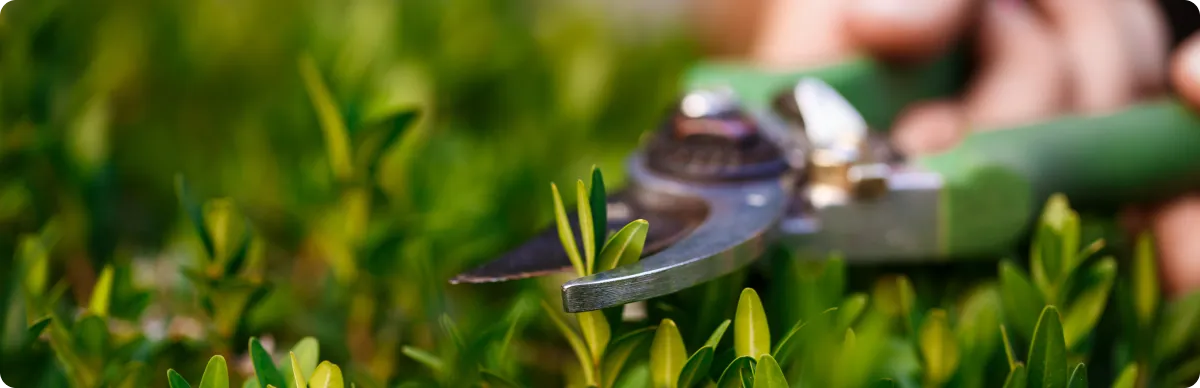
Professional Hedge Shaping
Improved Property Privacy
Expert Local Knowledge
Reliable Scheduling
Comprehensive Maintenance Plans
Hopkinton Hedging Types

Boxwood Hedges
-
Privet Hedges
-
Yew Hedges
-
Arborvitae Hedges
-
Holly Hedges
-
Laurel Hedges
-
Juniper Hedges
Our Hedging Process
Consultation and Planning
Site Preparation
Precision Trimming
Cleanup and Inspection
Why Choose Hopkinton Landscape Services
-
Hopkinton Homeowners Trust Us
-
Expert Lawn Maintenance
-
Reliable Seasonal Cleanups
-
Competitive Pricing
-
Professional Team
-
Satisfaction Guarantee
-
Personalized Service
Hedging Practices for Hopkinton’s Glacial Till and Coastal Sandy Soils
Hedging in Hopkinton requires careful consideration of the town’s predominant soil types, which include glacial till and coastal sandy soils as identified by the USDA Web Soil Survey. These soils are typically moderately acidic (pH 5.5-6.5) and often poorly drained, especially in low-lying areas. For optimal hedge establishment, soil amendments such as lime (for pH below 6.0) and compost (2-3 inches tilled to 6-inch depth) are recommended. Soil testing is available through the University of Rhode Island Cooperative Extension for a typical fee of $15-25. When planting, space hedge species 18-24 inches apart to ensure density and airflow. Select species tolerant of periodic wetness and moderate acidity, such as inkberry holly (Ilex glabra) and northern bayberry (Myrica pensylvanica). Proper soil preparation and species selection are essential for long-term hedge health in Hopkinton’s unique soils.
Municipal Coordination and Permit Requirements for Hedging in Hopkinton
All hedging activities in Hopkinton must comply with local ordinances regarding property lines, sightlines, and protected areas. The Hopkinton RI Building & Zoning Department oversees permit requirements for hedges exceeding 6 feet in height or located within 25 feet of wetlands. Application fees typically range from $25 to $75, with a review period of 5-10 business days. Key municipal requirements include:
- Setback: Minimum 10 feet from property lines for new hedges
- Height limit: 6 feet in front yards, 8 feet in rear yards
- Wetland buffer: 25-foot no-disturbance zone
- Permit required for work within historic districts or conservation areas
Hopkinton RI Building & Zoning Department
1 Town House Road, Hopkinton, RI 02833
Phone: (401) 377-7770
Official Website: Hopkinton RI Building & Zoning Department
For projects near wetlands or conservation lands, coordinate with the Hopkinton RI Conservation Commission to ensure compliance with local and state environmental protections.
Environmental Compliance: Wetland Buffers and Stormwater Management in Hopkinton
Hedging near Hopkinton’s wetlands, streams, and conservation areas is regulated to protect sensitive habitats and water quality. The Rhode Island Environmental Rights Act and Clean Water Act require a 25-foot no-disturbance buffer from all designated wetlands. Clippings, soil, and debris must not be deposited in storm drains or water bodies, as prohibited by the town’s MS4 permit under EPA Phase II. Key compliance steps include:
- Maintain 25-foot buffer from wetlands and streams
- Use biodegradable bags for debris; plastic bags are prohibited
- Schedule debris pickup on Thursdays, April-November
- Avoid fertilizer or pesticide application within 50 feet of water bodies
Hopkinton RI Conservation Commission
1 Town House Road, Hopkinton, RI 02833
Phone: (401) 377-7770
Official Website: Hopkinton RI Conservation Commission
For further guidance, consult the Rhode Island Department of Environmental Management regarding state-level wetland and stormwater regulations.
Equipment Operation Hours and Safety Standards for Hedging in Hopkinton
Hedging operations in Hopkinton are subject to municipal noise ordinances and safety protocols. Equipment operation is permitted during the following hours:
- Monday-Friday: 7:00 AM - 7:00 PM
- Saturday: 8:00 AM - 6:00 PM
- Sunday and holidays: Prohibited
All operators must use commercial-grade trimmers and shears with functioning mufflers, and noise levels must not exceed 85 decibels at property lines. Personal protective equipment (PPE) is mandatory, including:
- Eye protection: ANSI Z87.1 safety glasses
- Hearing protection: Earmuffs or plugs for 85+ dB
- Footwear: Steel-toed, non-slip boots
- Gloves: Cut-resistant for pruning
Hopkinton RI Department of Public Works
1 Town House Road, Hopkinton, RI 02833
Phone: (401) 377-7770
Official Website: Hopkinton RI Department of Public Works
Operators working within 15 feet of public roads must deploy safety cones and wear high-visibility vests. These standards help ensure both worker and public safety during hedging activities.
Optimal Hedging Timing and Plant Selection for Hopkinton’s Climate Zone 6b-7a
Hopkinton falls within USDA Hardiness Zones 6b-7a, with average annual minimum temperatures of -5°F to 5°F. The ideal window for planting or rejuvenating hedges is April 15 to May 30 (soil temperature 50-65°F) or September 1 to October 15 (before first frost). Avoid major pruning or planting from June through August due to heat stress. Recommended hedge species for Hopkinton’s climate and soils include:
- Inkberry holly (Ilex glabra)
- Northern bayberry (Myrica pensylvanica)
- Arrowwood viburnum (Viburnum dentatum)
- American holly (Ilex opaca)
- Winterberry (Ilex verticillata)
For detailed plant selection and care, consult the University of Rhode Island Cooperative Extension. Spacing hedges 18-24 inches apart and mulching with 2-3 inches of organic matter helps retain soil moisture and suppress weeds.
What Neighborhoods Do We Serve Throughout Hopkinton, RI?
- Ashaway: Features mature landscapes and historic properties, with glacial till soils and moderate drainage challenges. Hedging here often requires attention to property line setbacks and historic district guidelines.
- Hope Valley: Known for larger lots and proximity to the Wood River, this area has sandy loam soils and periodic wetness, making species selection and wetland buffer compliance critical.
- Rockville: Characterized by forested lots and sloped terrain, with acidic soils and high tree density. Hedging projects must account for shade tolerance and root competition.
- Centerville: Contains newer developments with compacted fill soils and limited green space. Proper soil amendment and adherence to municipal height limits are important.
- Locustville: Located near conservation lands and wetlands, requiring strict adherence to 25-foot buffer zones and careful debris management to protect sensitive habitats.
- Bradford: Features mixed residential and agricultural properties, with variable drainage and exposure to wind. Hedging here may require windbreak species and attention to setback requirements.
- Chase Hill: Rural area with large lots, rocky soils, and limited municipal infrastructure. Access for equipment and compliance with local ordinances are key considerations.