
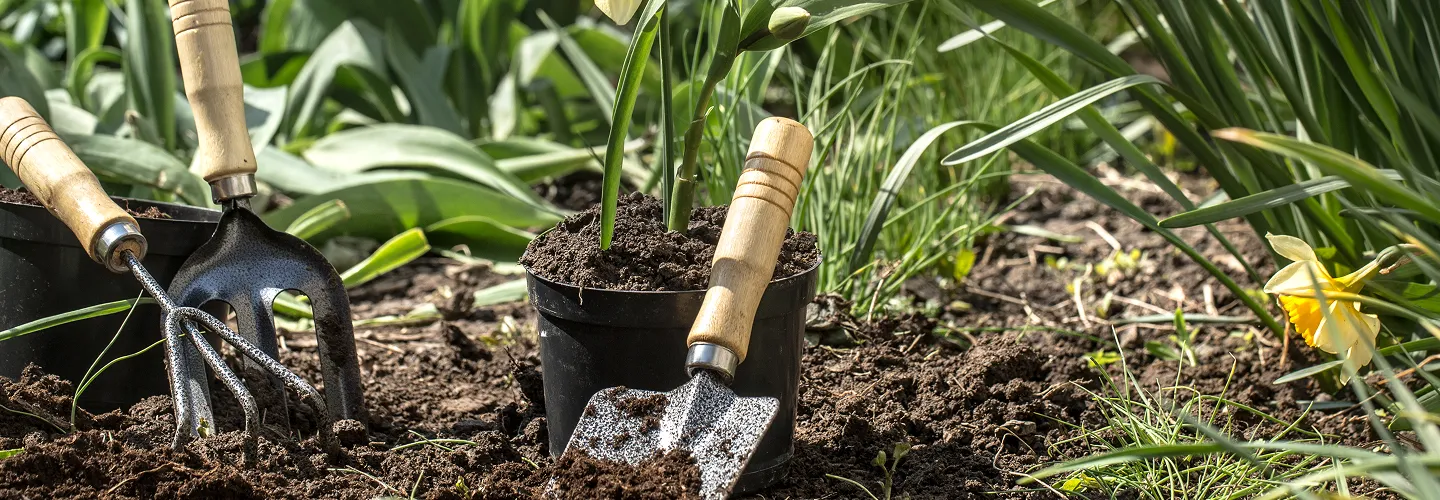
Hopkinton Weeding Services
Choose our expert weeding services for a healthier, more beautiful landscape—our experienced team removes unwanted growth efficiently, ensuring your plants have the space and nutrients they need to flourish.
Get a Free QuoteOur Hopkinton Landscaping & Yard Care Services
When to Schedule Weeding in Hopkinton, Rhode Island – Seasonal Guide
In Hopkinton, Rhode Island, the best times to schedule weeding are typically in early spring and late summer, when local weather conditions are most favorable for effective weed control. The region’s climate, with its cool, moist springs and warm, humid summers, means that weeds can emerge quickly after the last frost—usually in late April or early May. Targeting weeding efforts just after this period, especially in neighborhoods like Ashaway or near the Wood River, helps prevent invasive species from taking hold before your garden or lawn fully awakens.
Local environmental factors play a significant role in determining the optimal weeding schedule. For example, areas with dense shade from mature trees, such as those near Crandall Field, may experience slower weed growth but can also harbor persistent species that thrive in damp, low-light conditions. Soil type varies across Hopkinton, with sandy soils near the riverbanks requiring more frequent attention due to rapid drainage and higher drought risk. It’s also important to monitor municipal guidelines and resources, such as those provided by Sudbury’s local government, for updates on best practices and any seasonal restrictions.
Local Factors to Consider for Weeding in Hopkinton
- Tree density and shade coverage (e.g., wooded lots in Canonchet)
- Soil type and drainage, especially near riverbanks
- Average precipitation and risk of summer drought
- Frost dates and timing of spring growth
- Municipal restrictions or recommendations
- Proximity to landmarks like Crandall Field or the Wood River
Benefits of Weeding in Hopkinton
Enhanced Curb Appeal
Healthier Plant Growth
Reduced Pest Infestation
Improved Soil Quality
Increased Property Value
Professional and Reliable Service
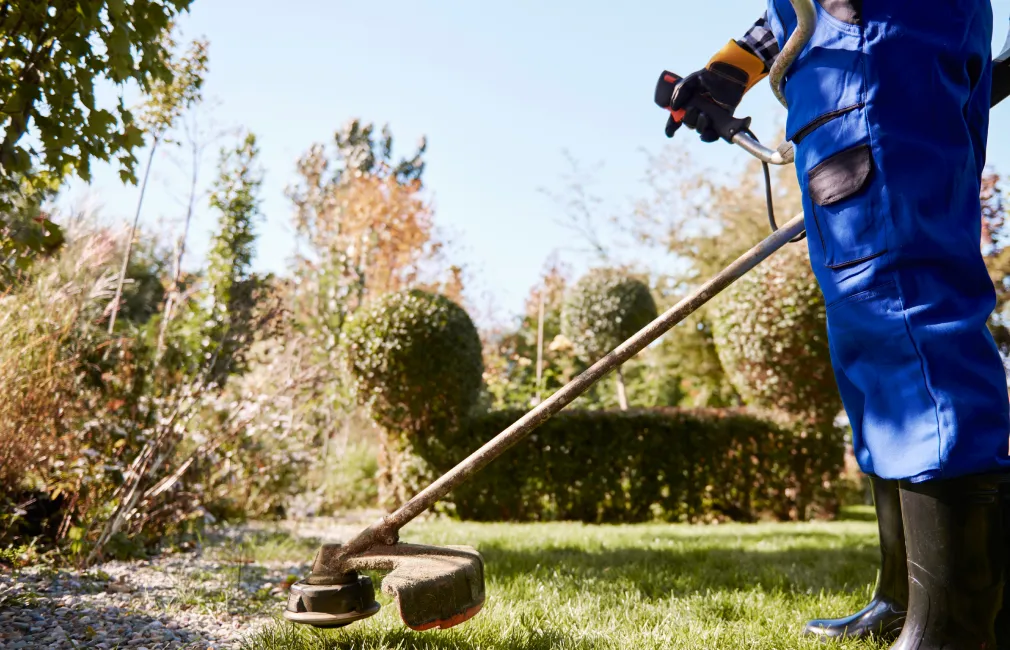
Hopkinton Weeding Types

Hand Weeding
-
Mechanical Weeding
-
Mulch Application
-
Pre-Emergent Weed Control
-
Post-Emergent Weed Control
-
Selective Herbicide Application
-
Landscape Fabric Installation
Our Weeding Process
Site Evaluation
Weed Identification
Targeted Removal
Soil Treatment
Final Inspection
Why Choose Hopkinton Landscape Services
-
Hopkinton Homeowners Trust Us
-
Expert Lawn Maintenance
-
Reliable Seasonal Cleanups
-
Competitive Pricing
-
Professional Team
-
Satisfaction Guarantee
-
Personalized Service
Hopkinton’s Glacial Till Soils and Weeding Best Practices
Weeding in Hopkinton requires careful consideration of the town’s predominant glacial till soils, which are typically rocky, moderately acidic (pH 5.5-6.5), and often poorly drained. These conditions favor the growth of persistent perennial weeds such as plantain and dandelion, which thrive in compacted or low-fertility areas. Effective weed removal should include mechanical extraction to a depth of 4-6 inches to ensure root removal, especially in areas with shallow topsoil. Soil testing is recommended every 2-3 years through the University of Rhode Island Cooperative Extension to determine nutrient needs and pH adjustments. For improved weed suppression, incorporate 2-3 inches of compost and maintain a 2-inch mulch layer in garden beds. Avoid chemical herbicides within 50 feet of wetlands or streams to comply with local buffer regulations. Research local soil series using the USDA Web Soil Survey for site-specific recommendations.
Municipal Weeding Ordinances and Collection Schedules in Hopkinton
Hopkinton enforces specific ordinances for yard maintenance and debris management, including weeding activities. Equipment operation is permitted:
- Monday-Friday: 7:00 AM - 7:00 PM
- Saturday: 8:00 AM - 6:00 PM
- Sunday and holidays: Prohibited All yard waste, including weeds, must be placed in biodegradable bags or 32-gallon reusable bins for curbside collection every Thursday from April through November. Plastic bags and brush over 4 inches in diameter are not accepted. Properties adjacent to conservation areas must maintain a 25-foot no-disturbance buffer, and all debris must be kept out of storm drains to comply with the town’s MS4 permit under the Clean Water Act. For ordinance details and collection schedules:
Hopkinton RI Department of Public Works
1 Town House Road, Hopkinton, RI 02833
Phone: (401) 377-7780
Official Website: Hopkinton RI Department of Public Works
Environmental Compliance: Wetland Buffers and Stormwater Protection in Hopkinton
Weeding near Hopkinton’s wetlands, streams, and conservation lands is regulated to protect sensitive habitats and water quality. A 25-foot no-disturbance buffer is required from all designated wetlands, and no herbicides or fertilizers may be applied within this zone. The town’s MS4 stormwater permit, administered under the Rhode Island Department of Environmental Management, prohibits the disposal of yard waste or soil in storm drains. Residents must also comply with the Rhode Island Environmental Rights Act when managing invasive species or using chemical controls. For guidance on buffer zones and environmental compliance:
Hopkinton RI Conservation Commission
1 Town House Road, Hopkinton, RI 02833
Phone: (401) 377-7780
Official Website: Hopkinton RI Conservation Commission
Seasonal Timing and Weather Considerations for Weeding in Hopkinton
Hopkinton’s climate, classified as USDA Hardiness Zone 6b, features cool springs and warm, humid summers. Optimal weeding windows are:
- Spring: April 15 – May 30 (soil temp 50-65°F)
- Fall: September 1 – October 15 (before first frost) Avoid weeding during peak summer (June-August) to minimize soil disturbance and erosion risk. Monitor local weather forecasts through the National Weather Service - Boston/Norton Office to plan around heavy rainfall, which can increase runoff and spread weed seeds. For persistent perennial weeds, schedule removal before seed set in late spring. Mulching after weeding helps retain soil moisture and suppress regrowth. For additional timing and climate guidance, consult the USDA Plant Hardiness Zone Map.
What Neighborhoods Do We Serve Throughout Hopkinton, RI?
- Ashaway: Features older residential lots with compacted glacial till soils and moderate drainage, requiring deep-root weeding and regular soil amendment.
- Hope Valley: Contains a mix of historic homes and newer developments, with variable soil pH and proximity to the Wood River, necessitating strict buffer compliance.
- Rockville: Characterized by forested lots and sloped terrain, presenting challenges for erosion control and access during wet conditions.
- Centerville: Includes properties near conservation areas and wetlands, where 25-foot buffers and organic-only weed management are often required.
- Chapel Brook: Suburban-style lots with mature landscaping and occasional HOA restrictions on yard appearance and debris storage.
- Canonchet: Rural area with large lots, heavy clay subsoils, and frequent deer pressure, making weed management and native plant selection critical.
- Moscow: Features low-lying areas with seasonal flooding, requiring careful timing of weeding to avoid soil compaction and runoff.