
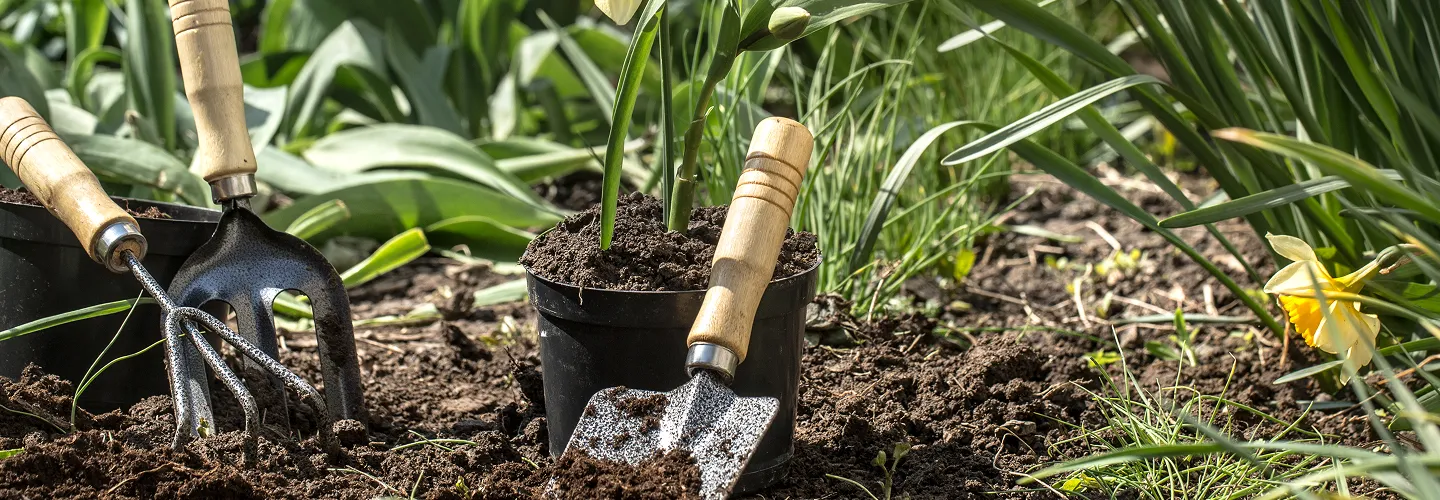
Hopkinton Plant Removal Services
Choose our plant removal services for safe, thorough, and eco-friendly solutions that restore your landscape’s beauty while saving you time and effort.
Get a Free QuoteOur Hopkinton Landscaping & Yard Care Services
When to Schedule Plant Removal in Hopkinton, Rhode Island – Seasonal Guide
In Hopkinton, Rhode Island, the best time for plant removal is closely tied to our unique climate and landscape. With cold winters and humid summers, timing your project can make a significant difference in both efficiency and long-term landscape health. For example, neighborhoods near Crandall Field or along Main Street often experience late spring frosts, making early summer an ideal window for most plant removals. Removing plants after the last frost but before peak summer heat helps minimize stress on your soil and surrounding vegetation.
Local factors such as soil type—ranging from sandy loam in Ashaway to denser clay near Rockville—also play a role in scheduling. High humidity and shade coverage, especially in wooded areas, can affect how quickly removed plants decompose or regrow. Additionally, municipal guidelines and seasonal precipitation patterns should be considered; for more information on local regulations, visit the Town of Sudbury’s official site.
Local Factors to Consider for Plant Removal in Hopkinton
- Tree density and proximity to structures
- Terrain slope and accessibility
- Average precipitation and risk of soil erosion
- Frost dates and seasonal temperature swings
- Municipal restrictions and permit requirements
- Shade coverage and humidity levels
- Soil type and drainage characteristics
Benefits of Plant Removal in Hopkinton
Expert Landscaping Team
Efficient Plant Removal
Eco-Friendly Disposal
Improved Curb Appeal
Customized Solutions
Competitive Pricing
Hopkinton Plant Removal Types

Tree Removal
-
Shrub Removal
-
Stump Grinding
-
Invasive Species Removal
-
Hedge Removal
-
Root System Extraction
-
Overgrown Plant Clearing
Our Plant Removal Process
Site Evaluation
Preparation and Safety Measures
Plant Extraction
Debris Removal
Site Restoration
Why Choose Hopkinton Landscape Services
-
Hopkinton Homeowners Trust Us
-
Expert Lawn Maintenance
-
Reliable Seasonal Cleanups
-
Competitive Pricing
-
Professional Team
-
Satisfaction Guarantee
-
Personalized Service
Plant Removal and Debris Disposal Procedures in Hopkinton’s Municipal Program
Plant removal in Hopkinton is governed by specific municipal procedures to ensure safe and compliant debris management. The Department of Public Works oversees curbside yard waste collection from April through November, with pickups scheduled every Thursday. Residents must use biodegradable paper bags or reusable bins (32-gallon maximum) for plant debris; plastic bags and branches over 4 inches in diameter are not accepted. All plant material must be placed curbside by 7:00 AM on collection day. For large-scale removals or projects near public rights-of-way, a permit may be required, with typical review times of 5-10 business days and fees ranging from $25 to $75. Coordination with municipal staff is essential for projects impacting public infrastructure or requiring traffic control.
Hopkinton RI Department of Public Works
1 Town House Road, Hopkinton, RI 02833
Phone: (401) 377-7780
Official Website: Hopkinton RI Department of Public Works
Soil Series and Site Conditions Affecting Plant Removal in Hopkinton
Hopkinton’s landscape is characterized by Inceptisols and Udults, with prevalent glacial till soils such as the Charlton-Chatfield and Ridgebury series. These soils are moderately acidic (pH 5.5-6.5) and often poorly drained, with seasonal water tables at 12-18 inches. Plant removal in these conditions requires careful planning to prevent soil compaction and erosion, especially on slopes or near wetlands. It is recommended to conduct soil testing through the University of Rhode Island Cooperative Extension (typical cost: $15-25) before major removals. For sites with high clay content or poor drainage, incorporate 2-3 inches of compost tilled to a 6-inch depth after removal to restore soil structure. Consult the USDA Web Soil Survey for site-specific soil data and management recommendations.
Environmental Compliance: Wetland Buffers and Stormwater Protection in Hopkinton
Plant removal near Hopkinton’s wetlands, streams, and conservation areas is subject to strict environmental regulations. A 25-foot no-disturbance buffer is required from all delineated wetlands, and a 50-foot setback applies to vernal pools and protected water bodies. The town’s MS4 permit, administered under the Clean Water Act, prohibits any plant debris or soil from entering storm drains. All removal activities must comply with the Rhode Island Environmental Rights Act and state MS4 stormwater requirements. For projects within regulated areas, coordinate with the Conservation Commission for review and approval. Violations may result in fines or restoration orders.
Hopkinton RI Conservation Commission
1 Town House Road, Hopkinton, RI 02833
Phone: (401) 377-7780
Official Website: Hopkinton RI Conservation Commission
Rhode Island Department of Environmental Management
235 Promenade Street, Providence, RI 02908
Phone: (401) 222-4700
Official Website: Rhode Island Department of Environmental Management
Equipment Operation Hours and Safety Standards for Plant Removal in Hopkinton
Hopkinton enforces municipal noise ordinances and safety protocols for all plant removal operations. Equipment may be operated during the following hours:
- Monday-Friday: 7:00 AM - 7:00 PM
- Saturday: 8:00 AM - 6:00 PM
- Sunday and holidays: Prohibited All operators must use commercial-grade equipment with functioning mufflers, and noise levels must not exceed 85 decibels at property lines. Personal protective equipment is mandatory, including:
- ANSI Z87.1 safety glasses
- Hearing protection for noise above 85 dB
- Steel-toed boots with non-slip soles
- Cut-resistant gloves for pruning and removal Maintain a 15-foot clearance from overhead utilities and contact Dig Safe (811) at least 72 hours before any ground disturbance. The Building & Zoning Department provides guidance on permit requirements for large-scale or hazardous removals.
Hopkinton RI Building & Zoning Department
1 Town House Road, Hopkinton, RI 02833
Phone: (401) 377-7770
Official Website: Hopkinton RI Building & Zoning Department
Seasonal Timing and Weather Considerations for Plant Removal in Hopkinton
Hopkinton is located in USDA Hardiness Zone 6b, with average last frost dates in late April and first frost in late October. Optimal timing for plant removal is early spring (April 15 - May 30) or late fall (October 1 - November 15), when soil moisture is moderate and plant dormancy reduces regrowth risk. Avoid removals during peak summer (June-August) to minimize soil compaction and heat stress. Monitor local weather forecasts through the National Weather Service - Boston/Norton Office for rainfall and wind advisories. For invasive species, removal should occur before seed set, typically by mid-June. Schedule removals at least 48 hours after heavy rain to prevent rutting and erosion.
What Neighborhoods Do We Serve Throughout Hopkinton, RI?
- Ashaway: Features mature woodlands and proximity to the Pawcatuck River, requiring careful debris management and adherence to wetland buffer regulations.
- Hope Valley: Contains a mix of historic properties and newer developments, with variable soil drainage and frequent need for erosion control during plant removal.
- Rockville: Characterized by rocky, glacial till soils and steep slopes, necessitating specialized equipment and soil stabilization measures.
- Centerville: Includes residential areas with compacted soils and limited access, making containerized debris collection and traffic safety protocols essential.
- Woodville: Located near conservation lands and wetlands, subject to strict buffer requirements and seasonal timing restrictions for removals.
- Canonchet: Features large lots and heavy tree cover, often requiring permits for removal of protected species and coordination with utility providers.
- Chase Hill: Noted for its floodplain location and periodic high water table, demanding careful scheduling and compliance with stormwater management ordinances.